Solar street lighting has become the gold standard for sustainable urban development and off-grid illumination. While these systems are celebrated for their "install and forget" nature, they are not entirely maintenance-free. To maximize the return on investment (ROI) and ensure the safety of public spaces, a proactive maintenance strategy is essential.
Regular upkeep doesn't just prevent failure; it optimizes energy conversion and extends the lifespan of the entire system. This guide provides a comprehensive roadmap for maintaining solar street lights, drawing on industry best practices and the high-quality engineering standards set by industry leaders like Anern.
Over time, environmental factors such as dust, bird droppings, industrial soot, and fallen leaves can accumulate on the solar panel surface. This creates a shading effect that significantly reduces the photovoltaic (PV) efficiency.
The Issue: Even a thin layer of dust can reduce power output by 5% to 15%. In extreme cases, accumulated debris can cause hot spots, leading to permanent damage to the solar cells.
The Solution: Panels should be cleaned at least twice a year, or more frequently in arid or high-pollution areas. Use soft water and a non-abrasive sponge or cloth. Avoid using high-pressure washers or harsh chemicals that could scratch the tempered glass.
The Anern Advantage: Anern utilizes high-efficiency monocrystalline solar panels with self-cleaning glass coatings in many of their premium models. This design helps rainwater wash away dust more effectively, though manual inspections are still recommended.
The battery is often the most expensive component to replace. Modern solar street lights typically use LiFePO4 batteries due to their deep discharge capabilities and long life cycles.
The Issue: Over-discharging or exposure to extreme temperatures can shorten a battery's life. If a light is flickering or failing to stay on throughout the night, the battery is likely the culprit.
The Solution: Periodically check the battery voltage using a multimeter or the system’s smart monitoring software. Ensure that the battery casing is properly sealed and free from swelling or leakage. The battery should be remained within its optimal temperature range to prevent capacity fade.
If your street lights are in an area with prolonged cloudy periods, consider systems with Intelligent Power Management (IPM) which automatically adjusts brightness to preserve battery life.
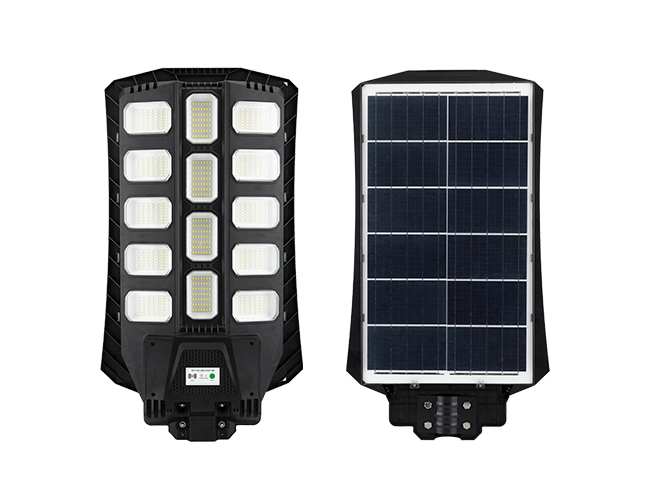
LEDs are remarkably durable, often rated for 50,000 to 100,000 hours. However, the housing that protects them must remain intact to prevent environmental damage.
The Issue: Moisture ingress can cause short circuits and corrosion. Pests, such as spiders or wasps, may also attempt to nest inside the fixture if there are any gaps.
The Solution: Inspect the light housing for cracks or loose seals. Wipe the LED lens to ensure maximum light transmittance. For street light all-in-one, checking the integrity of the integrated housing is vital as it protects all critical components in one unit.
The Anern Standard: Anern products feature high IP ratings, typically IP65 or IP66, ensuring they are dust-tight and protected against powerful water jets, which significantly reduces the frequency of internal inspections.
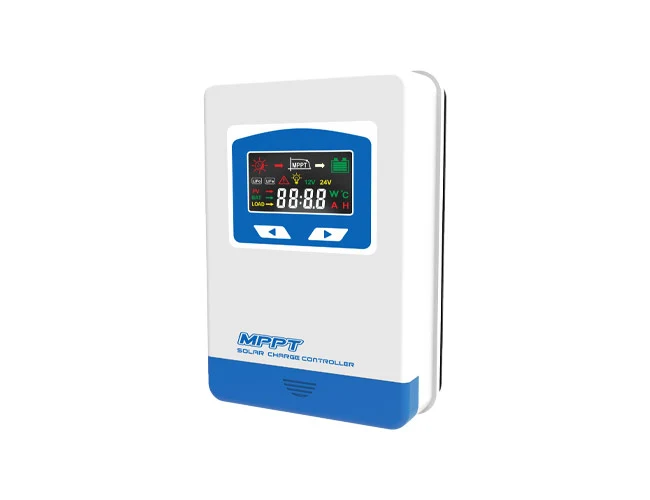
The charge controller manages the flow of electricity from the panels to the battery and the light.
The Issue: Vibrations from wind or thermal expansion can cause wiring terminals to loosen over time. Corroded wires increase resistance, leading to energy loss or system failure.
The Solution: Annually inspect all wire connections. Ensure that wires are snugly tucked away and not exposed to direct sunlight or swinging in the wind. Check the controller’s LED indicators for any error codes.
Smart Technology: Many of Anern’s latest models come with Bluetooth or GPRS controllers, allowing maintenance teams to check the system status via a smartphone app without having to climb the pole.
Maintenance needs shift with the seasons. A seasonal checklist is vital for performance consistency.
Winter: In colder climates, snow must be cleared from the panels immediately. Snow not only blocks sunlight but adds significant weight to the mounting brackets. Low temperatures can also reduce battery efficiency, so ensure the system is programmed for winter energy-saving modes.
Spring/Autumn: These are the best times for structural checks. Check the pole for rust and ensure that all mounting bolts are tightened. Strong spring winds can loosen fixtures that weren't properly secured.
Summer: High heat can stress the battery. Ensure there is adequate ventilation around the battery compartment and check for any signs of overheating.
While the electrical components get most of the attention, the physical structure is a matter of public safety.
The Issue: Corrosion at the base of the pole can weaken the structure, posing a risk during storms.
The Solution: Check for signs of rust or paint chipping. Use anti-corrosion treatments on the base bolts. Ensure the solar panel mount is still angled correctly; a shifted mount can lead to a significant drop in charging capacity.
| Component | Frequency | Action |
| Solar Panels | Every 6 Months | Clean with water/soft cloth; check for shading. |
| Battery | Annually | Check voltage; inspect for swelling or corrosion. |
| LED Lamp | Annually | Clean the lens; check for flickering or dead chips. |
| Wiring | Annually | Tighten terminals; check for frayed insulation. |
| Controller | Every 6 Months | Check status lights/error codes; update settings. |
| Pole & Bolts | Annually | Inspect for rust; tighten all mounting hardware. |
A well-maintained solar street light system can easily provide reliable service for over a decade. By following the strategies outlined above, municipalities and private owners can ensure their paths remain brightly lit while contributing to a greener planet.
Remember: a few minutes of inspection today can prevent hours of repair tomorrow.

Make your business profitable
Zero your Electricity bill
Leading the solar solutions industry

 English
  français
  Deutsch
  Español
  italiano
  русский
  português
  العربية
  Türkçe
  Malay
Malay  Indonesia