Solar street lights have become an increasingly popular solution for modern outdoor lighting, especially for roads, highways, and remote areas. Unlike traditional street lights that rely on grid electricity, solar street lights operate independently using renewable energy from the sun. But how exactly do they work?
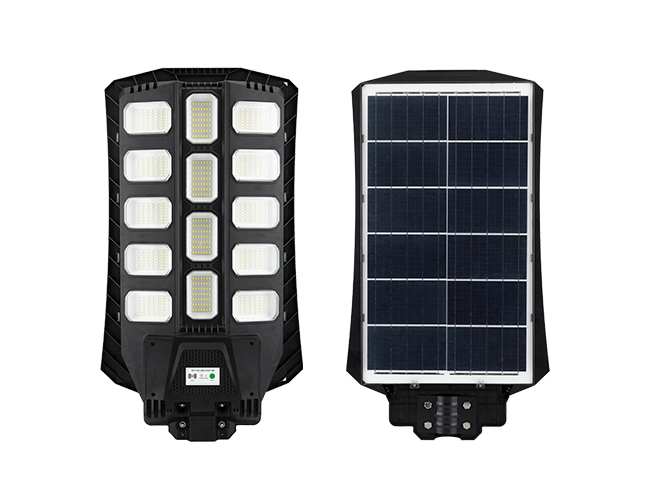
A solar street light is an off-grid lighting system that uses solar energy to power LED lighting. It consists of several integrated components, including a solar panel, battery, LED light source, and controller. These systems are widely used in municipal roads, rural villages, parking lots, and highways because they reduce electricity costs and eliminate the need for complex wiring.
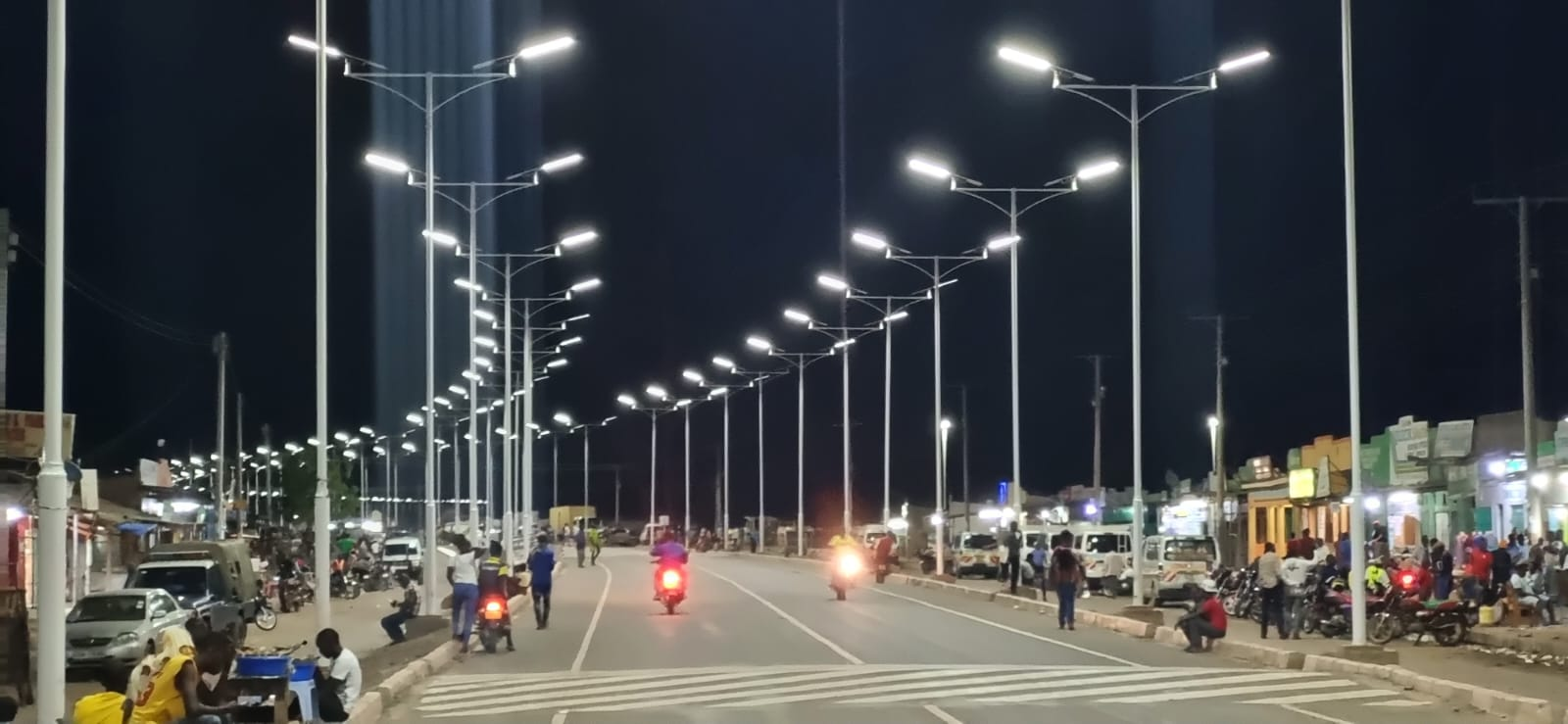
Energy savings and zero electricity cost
Easy installation without trenching
Low maintenance requirements
Environmentally friendly solution
Reliable lighting in remote areas
These advantages make them an ideal solution for modern infrastructure projects.
In addition, one of the biggest advantages of solar street lighting is that they operate independently of the electrical grid. No underground cables required; No electricity bills; No risk of power outages. Because the system generates and stores its own energy, it is especially suitable for remote or off-grid areas.
To understand how solar street lights work, it’s important to know the role of each component.
The solar panel captures sunlight and converts it into electricity through the photovoltaic effect. When sunlight hits the panel, electrons are energized and generate direct current (DC) electricity. Monocrystalline panels are commonly used in modern systems due to their higher efficiency and better performance in low-light conditions.
The battery stores the electricity generated during the day so it can be used at night. Without a battery, solar street lights would not function after sunset. Most modern systems use lithium or LiFePO4 batteries, which offer longer lifespan and better thermal stability.
LEDs are used because of their high efficiency and long lifespan. Compared to traditional lighting, LEDs consume less energy while providing higher brightness, making them ideal for solar-powered systems.
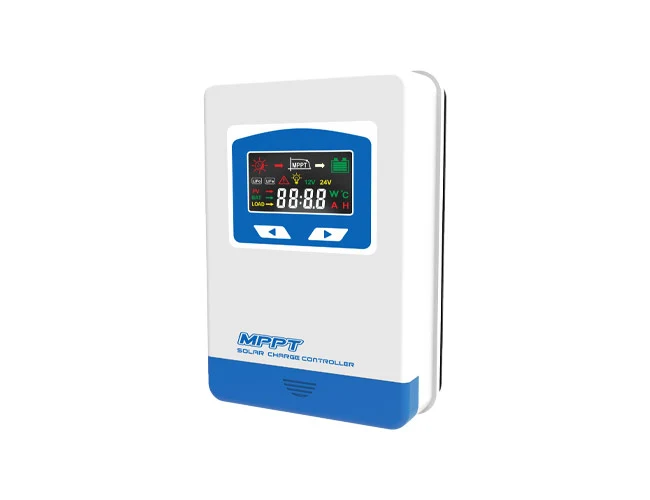
The controller is the brain of the system. It manages charging and discharging, protects the battery, and controls when the light turns on or off. Advanced systems use MPPT (Maximum Power Point Tracking) technology to maximize energy conversion efficiency.
The structure includes the pole, brackets, and housing. It ensures the solar panel is positioned at the optimal angle to absorb maximum sunlight while keeping the system stable in outdoor environments.
During the daytime, the system focuses on energy collection and storage.
The solar panel absorbs sunlight.
Sunlight is converted into DC electricity through photovoltaic cells.
The controller regulates the voltage and current.
Electricity is stored in the battery.
This process is continuous throughout the day as long as sunlight is available.
At night, the system automatically switches from charging mode to lighting mode.
A light sensor detects low ambient light levels
The controller activates the LED light
The battery releases stored energy to power the lamp
This automatic operation is often referred to as “dusk-to-dawn” functionality. The system continues working until sunrise or until the battery reaches its minimum safe discharge level.
Solar street lights operate in a daily cycle consisting of three stages:
1. Charging Phase (Daytime): Solar panels convert sunlight into electricity and store it in the battery.
2. Energy Storage Phase: The battery holds the energy until it is needed.
3. Discharge Phase (Nighttime): The battery powers the LED light to provide illumination.
This cycle repeats every day, making solar street lights a fully autonomous lighting system.
Although the working principle is simple, actual performance depends on several factors:
More sunlight means more energy generation. Regions with high solar radiation perform better.
Larger batteries provide longer backup time, especially during cloudy days.
Proper matching of solar panel, battery, and LED power is essential for reliable performance.
The tilt angle of the solar panel should match the local latitude to maximize efficiency.
In real-world projects, solar street lighting is not just about assembling components—it requires proper engineering design. A well-designed system must consider local climate conditions, sunlight hours, road width and lighting requirements and battery autonomy for rainy days. For example, Anern, as a professional solar street light manufacturer, designs systems based on actual project conditions rather than fixed configurations. This ensures stable lighting performance across different environments, from rural villages to highways and municipal roads.
Solar street lights work through a simple yet highly efficient process: capturing solar energy during the day, storing it in batteries, and using it to power LED lights at night. With intelligent controllers and optimized system design, they provide reliable, sustainable, and cost-effective lighting for a wide range of applications. As technology continues to improve, solar street lighting systems are becoming more efficient, smarter, and better suited for large-scale engineering projects, making them a key part of future urban and rural lighting solutions.


Make your business profitable
Zero your Electricity bill
Leading the solar solutions industry

 English
  français
  Deutsch
  Español
  italiano
  русский
  português
  العربية
  Türkçe
  Malay
Malay  Indonesia