In an era where sustainability is no longer a choice but a necessity, solar lighting has emerged as a cornerstone of modern infrastructure and residential design. We see them everywhere, lining village paths, illuminating highways, and securing commercial parking lots. But a fundamental question often arises for those transitioning to renewable energy: How do solar lights work at night when their primary energy source, the sun, has disappeared?
The answer lies in a sophisticated synergy of physics, electrical engineering, and smart energy management. To understand how these systems provide reliable illumination from dusk until dawn, we must look into the components and the invisible work that happens during the daylight hours.
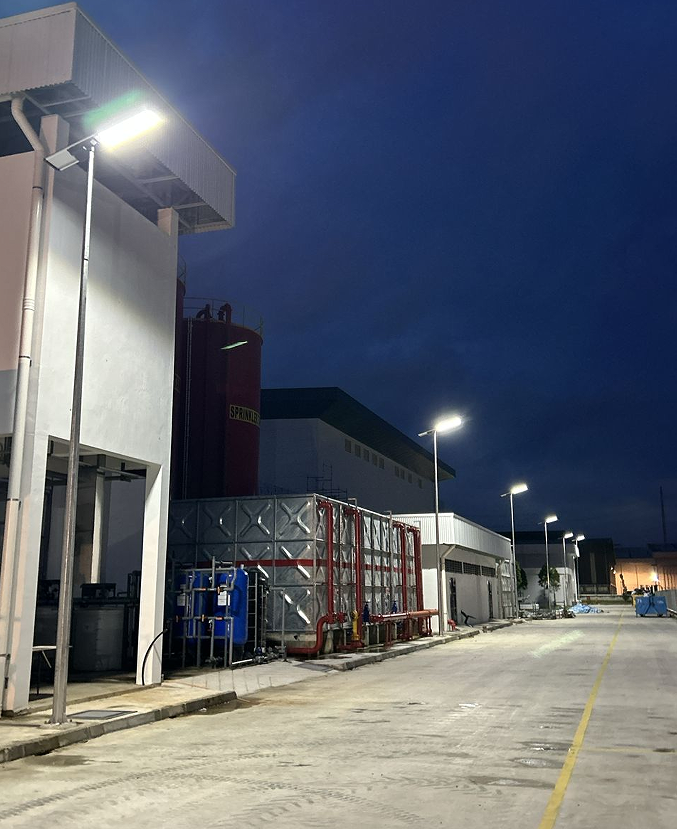
Before we can understand the nighttime operation, we must identify the four core components that make a solar light functional. Companies like Anern, a global solar light supplier, have spent years perfecting these elements to ensure maximum efficiency.
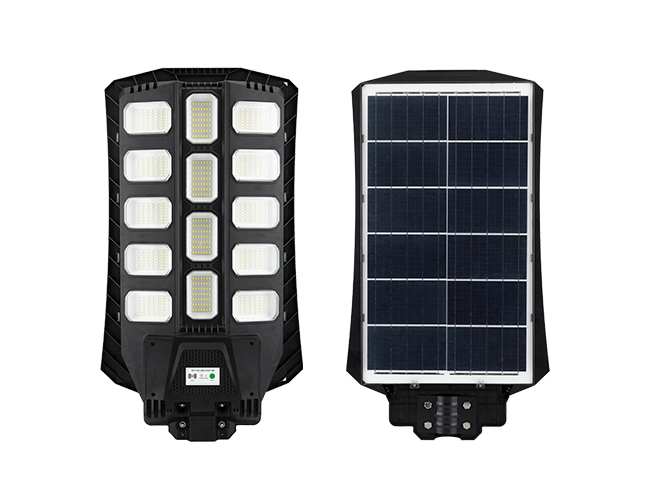
PV Panels: Usually made of monocrystalline or polycrystalline silicon, these panels are the engine that captures sunlight.
Rechargeable Battery: This serves as the fuel tank, storing the energy harvested during the day for later use.
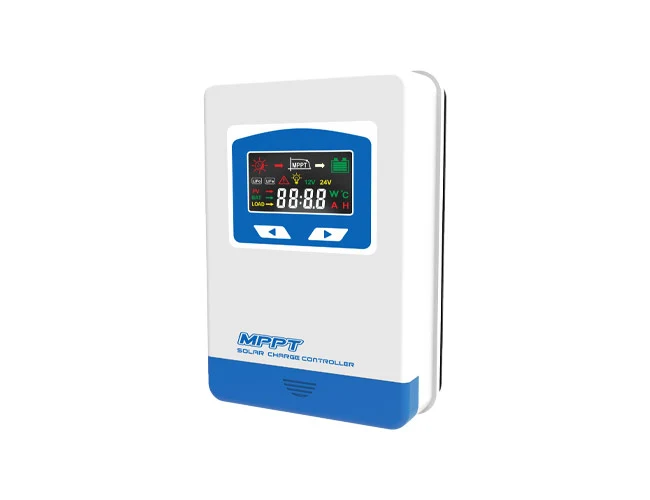
The Controller: This circuit regulates the flow of electricity, preventing overcharging and deciding when to turn the light on.
LED Light Source: Modern solar lights use LEDs because they provide high brightness with minimal power consumption.
The process begins with the photoelectric effect. When sunlight hits the PV panel, the silicon cells absorb photons. This energy knocks electrons loose, creating an electrical current. During the day, the solar panel functions as a power generator. The controller directs this generated electricity into the battery. For high-end systems, advanced Maximum Power Point Tracking (MPPT) controllers are often used. These controllers optimize the match between the solar array and the battery bank, ensuring that even on cloudy days, the system captures as much energy as possible.
The most common misconception is that solar lights require a separate "eye" or sensor to detect darkness. While some use an external photoresistor, most modern solar lights use the solar panel itself as a sensor. As the sun sets, the voltage produced by the PV panel drops. The controller monitors this voltage. Once it falls below a specific threshold, the controller recognizes that it is no longer daytime. It then reverses the flow of energy, pulling power from the battery and sending it to the LED lamp. This seamless transition is what allows solar lights to operate automatically without manual intervention.
A major concern for commercial users is whether solar lights can last the entire night. This is where "Dusk-to-Dawn" technology comes into play. Reliable all-night lighting depends on the ratio between battery capacity and LED power consumption.
To ensure a light stays on all night, Anern implement several smart features:
PIR Motion Sensors: The light may stay at 30% brightness to conserve energy but jump to 100% when it detects movement.
Time Dimming: The system can be programmed to run at 100% for the first several hours of the night (when traffic is high) and then dim to 20% for the remainder of the night to save power.
Advanced Lithium Batteries: Unlike older lead-acid batteries, modern lithium-ion batteries have a higher depth of discharge and can endure more cycles, ensuring that even after a year of use, the light still has enough power to last until sunrise.
While the science is sound, the real-world performance of solar lights can vary based on several factors:
Geographic Location and Season: In winter, shorter days mean less charging time and longer nights mean more discharging time. Professional-grade solar lights are designed to have enough battery storage to power the light for 3 to 5 rainy days.
Panel Orientation: If a panel is shaded by trees or buildings, it cannot reach its full charging potential.
Maintenance: Dust, snow, or bird droppings on the panel can significantly reduce its efficiency. Regular cleaning ensures the core of the light receives enough energy to keep the LEDs glowing brightly.
The mechanics of how solar lights work at night highlight why they are so beneficial for modern infrastructure.
Zero Utility Bills: Once installed, the energy used at night is completely free.
Easy Installation: Since there is no need for underground trenching or wiring to the main grid, installation costs are slashed.
Environmental Impact: By utilizing the sun's energy, we reduce our reliance on fossil-fuel-generated electricity, lowering carbon footprints.
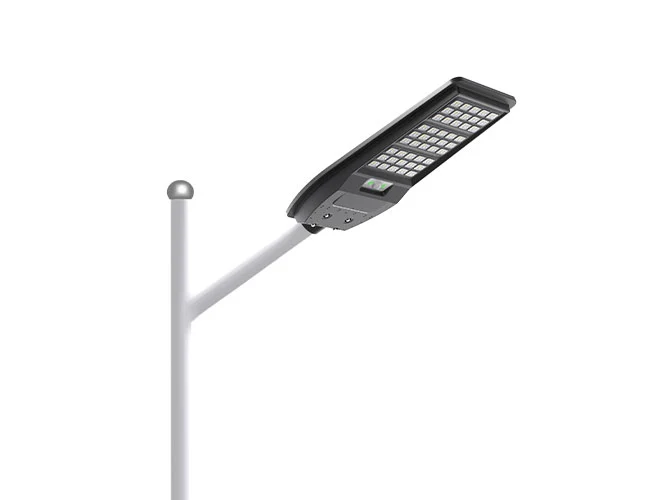
For those looking to upgrade their lighting infrastructure, choosing a reputable provider is essential. Anern stands out in the industry by offering integrated solar street lights and semi integrated street lights that utilize high-conversion monocrystalline panels and intelligent control systems. Their products are designed to withstand harsh environments while maintaining consistent nighttime performance.
The technology behind solar lights continues to evolve. We are seeing the rise of Bifacial Solar Panels, which can capture reflected light from the ground, further increasing the energy stored for the night. Additionally, the integration of IoT allows facility managers to monitor the battery health and light status of hundreds of solar poles from a single smartphone app.
In conclusion, solar lights are not just lamps with a battery. They are miniature power plants that operate on a perfect cycle of harvest and release. By converting photons into electrons during the day and utilizing smart sensors to trigger illumination at night, they provide a reliable, cost-effective, and green solution to our lighting needs.
Whether you are a homeowner looking for street ambiance or a city planner aiming to light up a highway, understanding the mechanics of these systems proves that solar energy is a robust and dependable choice for the night. For more information on high-performance solar lighting systems, explore the innovations at Anern.

Make your business profitable
Zero your Electricity bill
Leading the solar solutions industry

 English
  français
  Deutsch
  Español
  italiano
  русский
  português
  العربية
  Türkçe
  Malay
Malay  Indonesia