Solar lighting has transformed from a niche landscaping novelty into a powerhouse of sustainable infrastructure. Whether you are illuminating a residence or a massive industrial complex, the most common question remains the same: How long do solar lights stay on at night? While the short answer is typically between 6 and 12 hours, the reality is far more nuanced. Achieving consistent, "dusk-to-dawn" performance requires a delicate balance of geography, technology, and maintenance.
For most high-quality solar lighting systems, the industry standard is to provide light for at least 8 to 10 hours on a full charge. This timeframe is designed to cover the typical hours of darkness in temperate climates.
However, the category of the light matters significantly:
Decorative Lights: These often stay on for 6–8 hours but may dim significantly as the battery depletes.
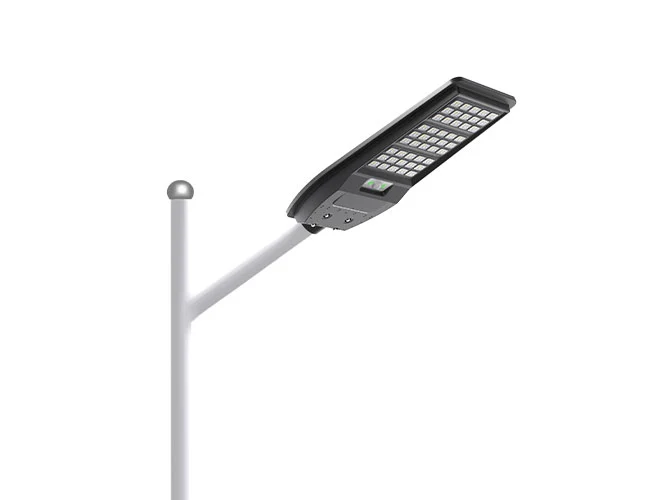
Commercial Street Lights: Engineered for reliability, these systems are designed to run for 12+ hours and often feature autonomy, allowing them to stay lit for several rainy days even without direct sunlight.
The duration of your solar lights isn't just a matter of luck; it is a result of several technical and environmental variables.
The solar panel is the engine of the light. To stay on all night, most solar lights require roughly 6 to 8 hours of direct sunlight to reach a full charge. If the panels are placed in the shade of a tree or a building, the battery will only partially charge, resulting in the light turning off prematurely.
Geographic location also plays a role. For example, a solar light in Arizona will naturally outperform one in London during the winter because the peak sun hours are much higher.
If the battery is too small, the light won't last through the night regardless of how much sun you have.
NiMH/Lead-Acid: Older or cheaper models use these, which have shorter lifespans and lower energy density.
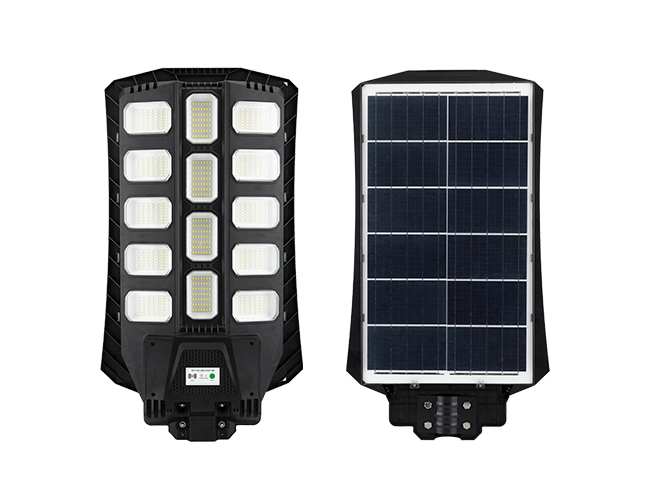
Lithium Iron Phosphate (LiFePO4): Modern, high-performance systems, like the solar street lights developed by Anern, utilize LiFePO4 batteries. These are superior because they can handle deep discharges, have a longer cycle life, and charge more efficiently, ensuring the light stays on longer even after years of use.
Not all solar panels are created equal. Monocrystalline panels have a higher conversion rate compared to polycrystalline panels. Higher efficiency means the system can harvest more energy in a shorter amount of time, which is vital during short winter days.
One of the biggest challenges for solar lighting is the winter solstice. In winter, days are shorter (less charging time) and nights are longer (more discharging time). Furthermore, extreme cold can reduce a battery's effective capacity. Professional-grade solar solutions account for this by over-sizing the solar array and the battery to create a buffer for these difficult months.
If you find your solar lights are dying at 2:00 AM, there are several strategies to extend their runtime.
Ensure your panels are facing the equator (South in the Northern Hemisphere, North in the Southern Hemisphere). An angle of roughly 30 to 45 degrees is generally ideal for capturing maximum year-round solar radiation.
A thin layer of dust, bird droppings, or snow can reduce a solar panel's efficiency by 25% or more. Wiping the panels down every few months ensures they can breath and absorb the maximum amount of photons.
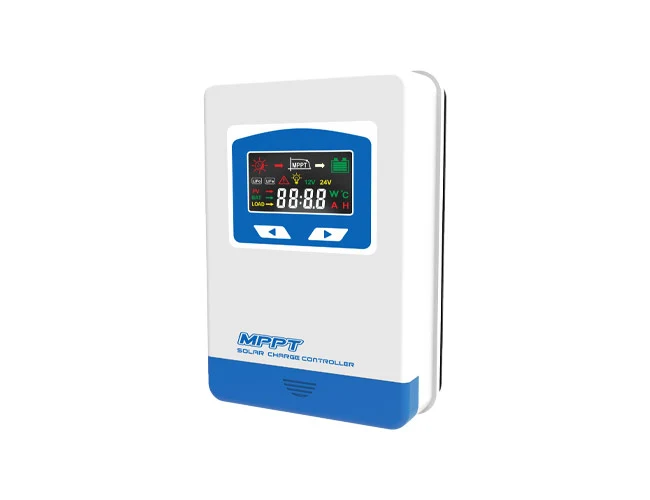
One of the most effective ways to ensure a light stays on all night is to manage its energy consumption. High-end solar street lights often use Maximum Power Point Tracking (MPPT) controllers and PIR motion sensors.
Dimming Profiles: The light might run at 100% brightness for the first 4 hours, then drop to 30% when no movement is detected.
Anern’s Advantage: Companies like Anern integrate smart energy management systems into the products. These systems automatically adjust the light output based on the battery’s remaining capacity, ensuring that the light never goes completely dark, even during a week of overcast weather.
When choosing solar lighting for large-scale projects, the difference between a retail light and a professional light becomes clear in the early hours of the morning.
Anern has established itself as a leader in the renewable energy sector by focusing on the synergy between high-efficiency LED chips and advanced energy storage. Anern solar lights are specifically engineered for longevity. While a standard garden light might fail after a year due to battery degradation or poor waterproofing, Anern’s industrial-grade components are built to withstand harsh environments while maintaining a consistent dusk-to-dawn cycle.
By investing in high-quality systems, users benefit from:
Higher Lumens-per-Watt: Getting more light out of less energy.
Robust Housing: Protecting the internal electronics from moisture and heat, which are the primary killers of battery life.
Scientific Sizing: Ensuring the solar panel and battery are perfectly matched for the specific installation site's solar profile.
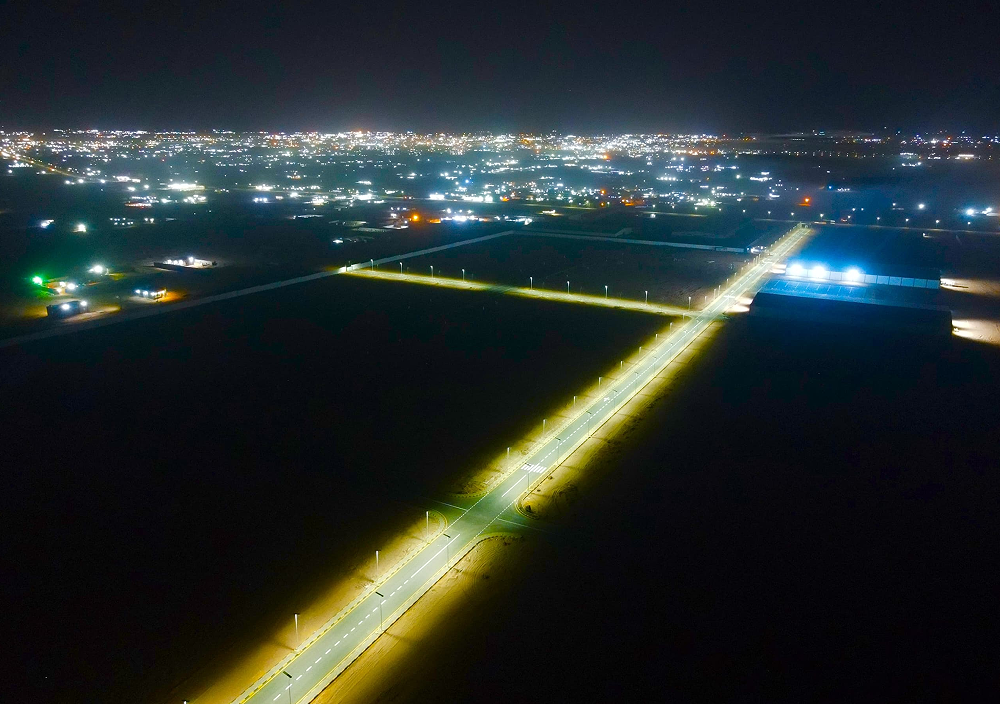
So, how long do solar lights stay on at night? While the average is 8 hours, the true answer depends on the quality of the components and the environment in which they are placed.
For those who require absolute reliability, such as for security, street lighting, or commercial parking, relying on entry-level products often leads to disappointment. Brands like Anern provide the engineering necessary to ensure that solar doesn't mean unreliable. By combining high-efficiency monocrystalline panels, long-lasting LiFePO4 batteries, and smart control systems, it is entirely possible to achieve bright, dependable illumination from sunset to sunrise, 365 days a year.
As solar technology continues to evolve, the gap between traditional grid-tied lighting and solar lighting is closing. Today, with the right equipment and proper installation, you never have to worry about being left in the dark.

Make your business profitable
Zero your Electricity bill
Leading the solar solutions industry

 English
  français
  Deutsch
  Español
  italiano
  русский
  português
  العربية
  Türkçe
  Malay
Malay  Indonesia