The rapid rise of solar technology has made outdoor lighting more accessible, sustainable, and cost-effective than ever before. From decorative garden stakes to high-powered industrial street lights, solar-powered systems offer a convenience. However, as users encounter maintenance issues or look to upgrade their systems, a fundamental question often arises: Do outdoor solar lights need rechargeable batteries?
The short answer is a definitive yes. To understand why, and to explore the risks of using the wrong power source, we must look into the internal mechanics of solar energy storage and the specialized technology used by industry leaders like Anern.
To understand why rechargeable batteries are mandatory, you have to look at the solar lighting cycle as a four-part process:
Collection: During the day, the solar panel (photovoltaic cell) captures sunlight.
Conversion: The panel converts solar photons into a DC (direct current) electrical charge.
Storage: This electrical energy is sent to a storage device—the battery.
Illumination: When the sun goes down, a sensor (photocell) triggers the battery to release its stored energy to power the LED bulbs.
Without a battery, the solar panel would generate electricity during the day, but there would be nowhere to store it. The light would technically only work when the sun is shining, which defeats the purpose of outdoor lighting. Therefore, the battery acts as the bridge between daytime energy harvest and nighttime energy consumption.
A common mistake made by homeowners is replacing a dead solar battery with a standard alkaline battery. This is highly discouraged and can be dangerous.
According to industry safety standards, using non-rechargeable batteries in a solar circuit causes several problems:
Permanent Damage: Standard batteries are designed to discharge energy, not receive it. When the solar panel tries to push energy into a non-rechargeable alkaline battery, it causes the battery to overheat.
Leakage and Corrosion: The heat buildup often causes the alkaline battery to leak potassium hydroxide, a caustic agent that will corrode the metal terminals and destroy the solar light's internal circuitry.
Explosion Risk: In extreme cases, the chemical reaction of forcing a charge into a non-rechargeable cell can cause the battery to rupture or explode.
Short Lifespan: An alkaline battery might power the light for one or two nights, but since it cannot be replenished by the sun, it will quickly die and become a source of chemical waste.
Not all rechargeable batteries are created equal. The type of battery used is often the primary factor in determining how long a light stays on and how many years the unit will last.
Used in older or very cheap solar lights, NiCd batteries are being phased out. They suffer from the memory effect (where they lose maximum energy capacity if not fully discharged) and contain toxic heavy metals that are harmful to the environment.
Most modern residential garden lights use NiMH batteries. They are more environmentally friendly than NiCd and have a higher energy density, meaning they can store more power in the same size shell.
For high-performance applications, such as the professional-grade street lighting solutions offered by Anern, LiFePO4 is the gold standard. These batteries are superior because they offer:
Longer Cycle Life: They can be charged and discharged thousands of times without significant degradation.
Thermal Stability: They perform better in extreme heat and cold than NiMH batteries.
Higher Efficiency: They charge faster and hold their charge longer.
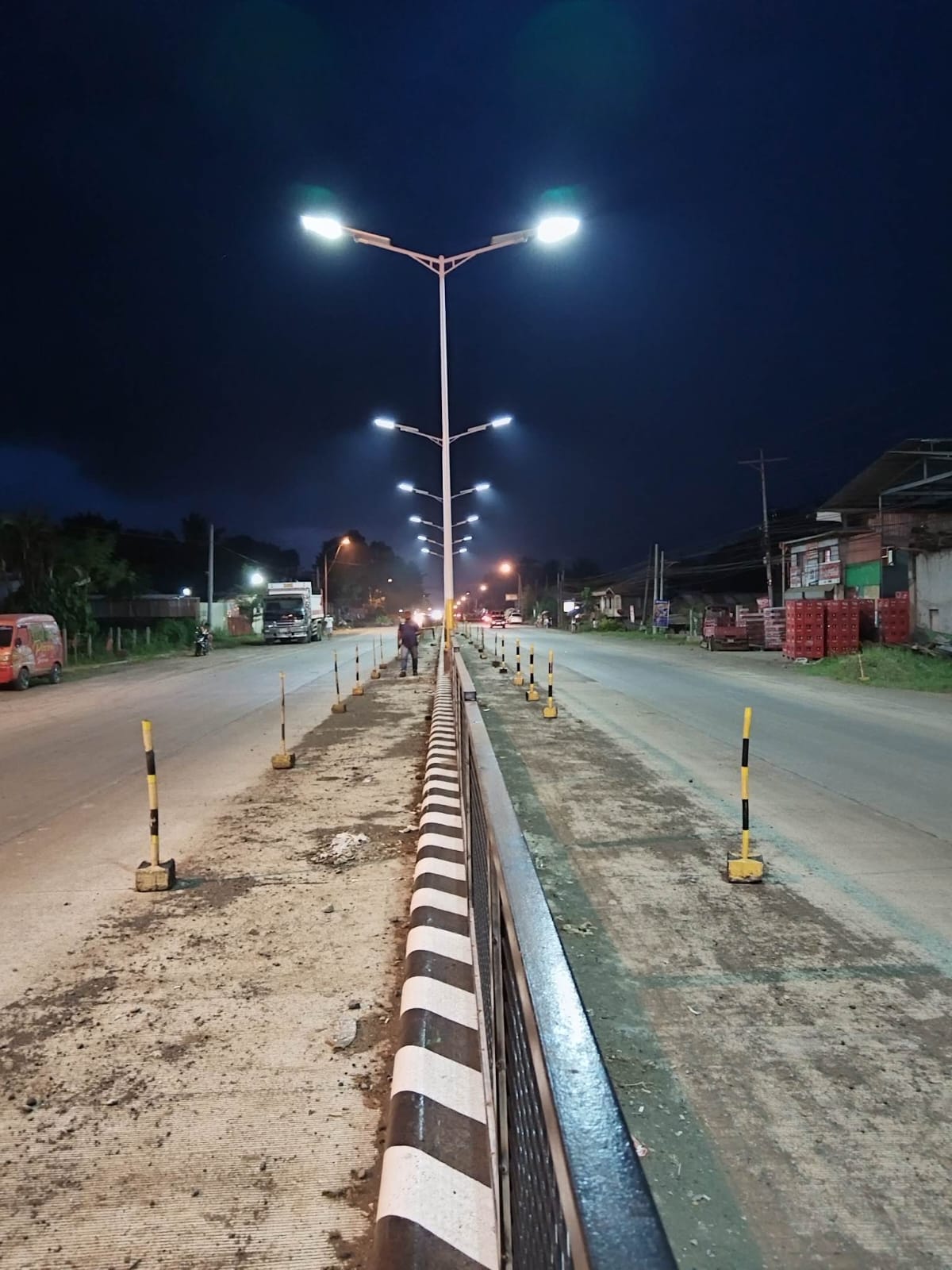
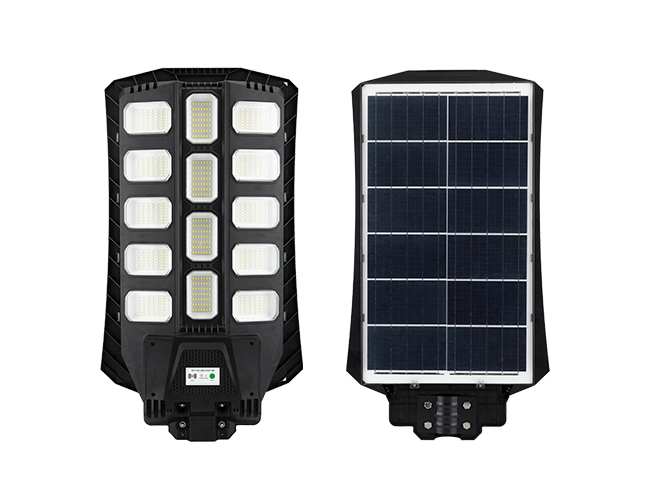
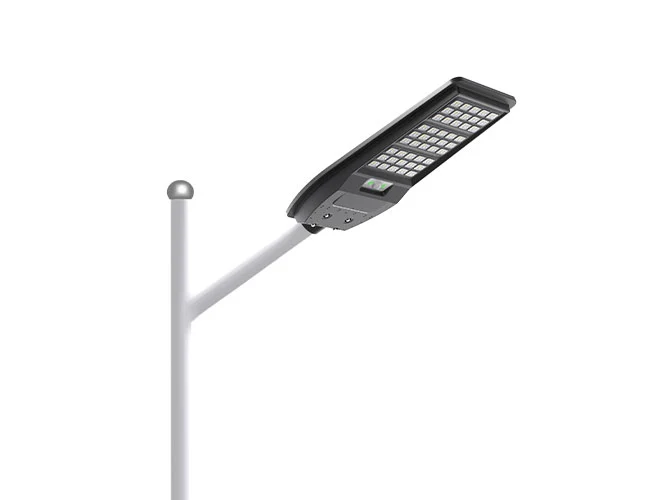
In the commercial and industrial solar sector, the battery is the most critical component. This is where Anern distinguishes itself from consumer-grade products. While a decorative garden light might use a simple NiMH battery that lasts 1–2 years, Anern’s solar street lights and power systems utilize high-capacity LiFePO4 batteries paired with intelligent Battery Management Systems (BMS).
The BMS protects the battery from overcharging, deep discharging, and overheating. This ensures that the energy harvested by the high-efficiency solar panels is stored safely and utilized effectively. When you invest in a system from Anern, you aren't just getting a light; you are getting a sophisticated energy storage unit designed to provide consistent illumination even after several days of rainy weather.
Even the best rechargeable batteries have a lifespan. If your solar lights are dimming or failing to turn on, it is likely due to one of the following:
Cycle Exhaustion: Every battery has a set number of cycles (one full charge and discharge). Once that limit is reached, the battery's chemistry degrades.
Deep Discharge: If a light is left in the "on" position in a dark garage or box for months, the battery may drop below a critical voltage threshold, making it unable to take a charge again.
Weather Extremes: Intense heat accelerates chemical breakdown, while extreme cold can temporarily reduce a battery's capacity to hold a charge.
Poor Panel Maintenance: If the solar panel is dirty, it won't send enough current to fully charge the battery, leading to a lazy battery that eventually fails.
When it is finally time to replace the batteries in your outdoor solar lights, follow these guidelines to ensure performance:
Match the Chemistry: If your light came with NiMH batteries, replace them with NiMH. Do not swap NiMH for Lithium unless the manufacturer specifies that the controller can handle the voltage difference.
Check the mAh Rating: The mAh rating indicates capacity. You can use a battery with a higher mAh than the original (e.g., replacing 600mAh with 1000mAh) to give the light a longer runtime, but do not go lower.
Check the Voltage: Most residential solar lights use 1.2V cells. Commercial systems may use 3.2V or 12.8V systems. Always verify the voltage requirements before installation.
Do outdoor solar lights need rechargeable batteries? Absolutely. The battery is the heart of the system, pumping life into the LEDs when the sun disappears. While it may be tempting to use a standard battery in a pinch, doing so risks destroying your investment and creating safety hazards.
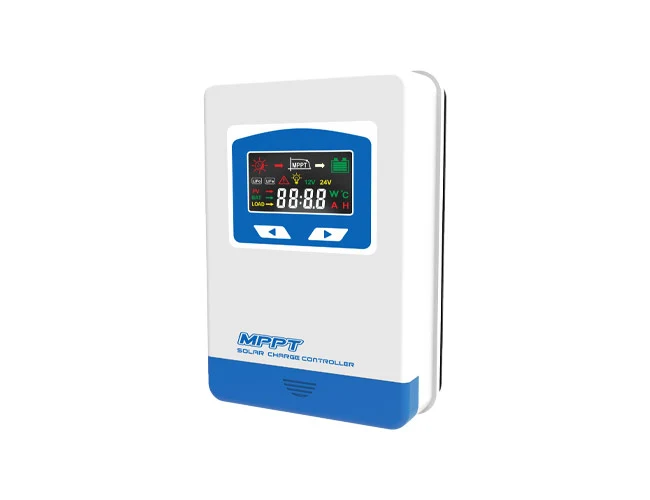
For those looking for long-term reliability and professional performance, the quality of the internal battery and the charge controller is what matters most. Solar light manufacturers like Anern lead the way by integrating high-tier lithium technology and smart management systems into their lighting products. By choosing quality components and understanding the vital role of rechargeable storage, you can ensure that your outdoor spaces stay bright, safe, and sustainable for years to come.

Make your business profitable
Zero your Electricity bill
Leading the solar solutions industry

 English
  français
  Deutsch
  Español
  italiano
  русский
  português
  العربية
  Türkçe
  Malay
Malay  Indonesia