As the world pivots toward sustainable infrastructure, solar street lighting has evolved from a secondary option to a primary solution for illuminating highways, city streets, parking lots, and residential pathways. However, the market is now flooded with various models, technical specifications, and price points. Selecting the wrong system can lead to premature battery failure, insufficient brightness, or high maintenance costs.
Choosing the right solar street light requires a strategic balance between geographical conditions, technical specifications, and project requirements.
The first step in choosing a solar street light is defining exactly where and how it will be used. A light designed for a private backyard is fundamentally different from one engineered for a four-lane highway.
Installation Height and Spacing: Higher poles require more powerful luminaires. For instance, a 6-meter pole usually requires a 40W–60W LED, while a 10-meter highway pole may require 100W or more.
Lighting Standards: Different countries have specific Lux requirements (the measure of light intensity on the ground) for different road classes. Ensure your chosen model meets these local safety standards.
Geographical Location: The amount of peak sun hours varies significantly between a desert environment and a coastal region. If you are in a location with frequent cloud cover, you will need a larger solar panel and a higher battery capacity to compensate for low-light charging.
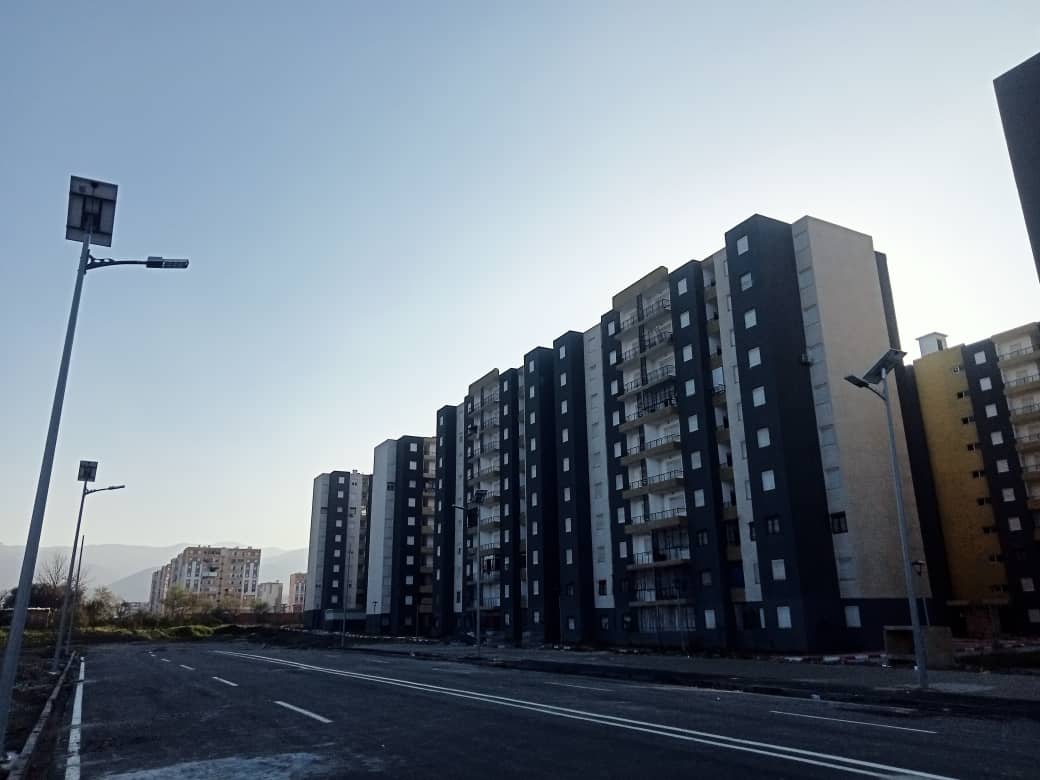
The performance of a solar street light is only as good as its weakest component. When reviewing specifications, pay close attention to the following:
Monocrystalline panels are more efficient and perform better in low-light conditions.
Polycrystalline panels are cheaper but require a larger surface area to produce the same amount of energy.
For long-term commercial projects, monocrystalline is almost always the better investment.
The battery is typically the first component to fail in a cheap solar light. Traditional Lead-Acid or Gel batteries are heavy and have a short lifespan. Modern, high-end solar street lighting systems utilize LiFePO4 batteries. These batteries offer:
Up to 10 years of service life.
The ability to handle deep discharge cycles without damage.
Superior performance in high temperatures, which is critical for outdoor lighting.
Don't be fooled by high wattage. A 100W light with poor-quality LEDs might be dimmer than a 60W light with high-efficiency chips. Look for the Lumens per Watt (lm/W) rating. Top-tier lights provide 150lm/W to 200lm/W, giving you maximum brightness with minimum energy consumption.
One of the biggest decisions you will face is the physical configuration of the light.
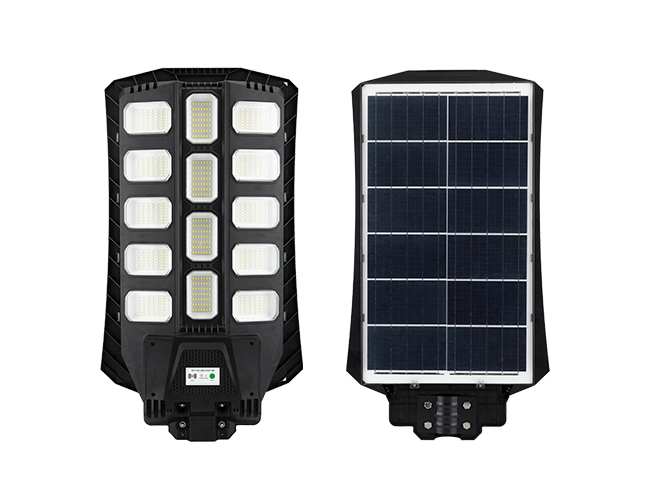
Integrated solar street light: The panel, battery, and LED are all housed in a single unit. These are incredibly easy to install, have a sleek appearance, and reduce wind resistance. They are ideal for parking lots, parks, and residential streets.
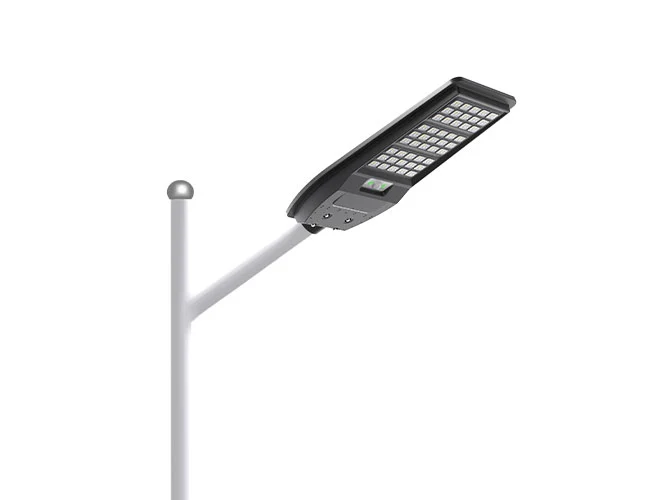
Split-type solar light: The solar panel is separate from the light fixture. This allows the panel to be angled independently toward the sun, which is vital in extreme latitudes. Split systems are often used for high-power highway projects where a very large solar panel is required.
For those looking for a balance of aesthetics and high-performance engineering, Anern offers a wide range of integrated solutions that simplify installation while maintaining industrial-grade durability.
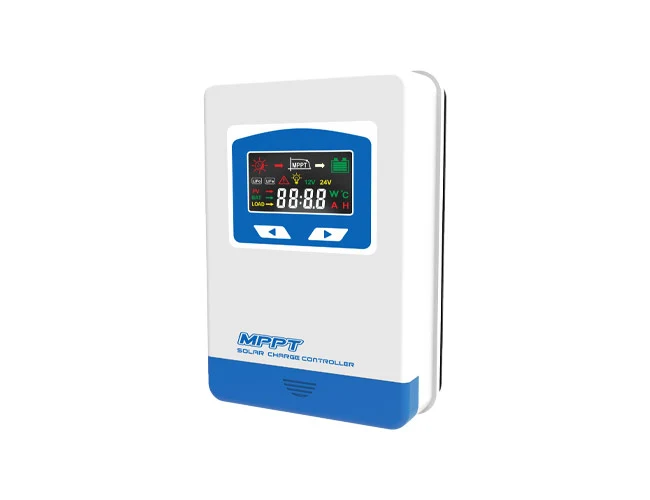
The controller manages when the light turns on, how the battery charges, and how much power is sent to the LEDs.
MPPT vs. PWM: MPPTcontrollers are about 20-30% more efficient than PWM controllers. They can squeeze more energy out of the panels during cloudy days.
Smart Dimming and Motion Sensors: To extend battery life, choose a system with PIR motion sensors or pre-programmed dimming profiles. For example, the light can run at 100% brightness for the first 4 hours of the night and then drop to 30% until motion is detected. This ensures the light stays on all night even during the winter.
Street lights are exposed to the harshest elements, UV radiation, rain, salt spray, and extreme wind.
IP Rating: Ensure the light has at least an IP65 or IP66 rating for waterproof and dustproof protection.
Housing Material: Avoid plastic housings for commercial projects. Die-cast aluminum is the industry standard because it provides excellent heat dissipation and resists corrosion.
Wind Loading: In hurricane-prone areas, the structural design of the pole and the bracket must be certified to withstand specific wind speeds.
Before making a final purchase, run through this quick checklist:
What is the required Lux level on the ground? (This determines the Lumen output needed).
What is the average number of cloudy days in a row? (This determines the autonomy or battery reserve needed).
Is the battery LiFePO4? (Avoid older technologies for commercial use).
Is the controller MPPT? (For maximum charging efficiency).
What is the warranty? (A professional manufacturer should offer at least 3–5 years).
The solar industry is plagued by spec-inflation, where manufacturers claim higher lumens or battery capacities than the products actually deliver. This is why selecting a reputable brand is the most important decision in the procurement process. Anern has established itself as a global leader by focusing on rigorous quality control and scientific energy management. Unlike generic suppliers, Anern provides comprehensive technical support to help clients calculate the exact requirements for their specific project. Their focus on high-efficiency LED chips and advanced lithium storage means their lights are built for reliability even in challenging climates. By choosing solar street light manufacturers with a proven track record, you reduce the long-term total cost of ownership and avoid the headache of frequent repairs.
Choosing the right solar street light is an investment in safety, sustainability, and long-term savings. By focusing on high-quality components, specifically LiFePO4 batteries and efficient monocrystalline panels, and selecting a trusted partner like Anern, you can ensure your project remains brightly lit for years to come.
Solar technology has matured to the point where it can match or exceed the performance of traditional grid-tied lighting. With the right configuration, you can enjoy zero electricity bills and minimal maintenance, all while contributing to a greener planet.

Make your business profitable
Zero your Electricity bill
Leading the solar solutions industry

 English
  français
  Deutsch
  Español
  italiano
  русский
  português
  العربية
  Türkçe
  Malay
Malay  Indonesia